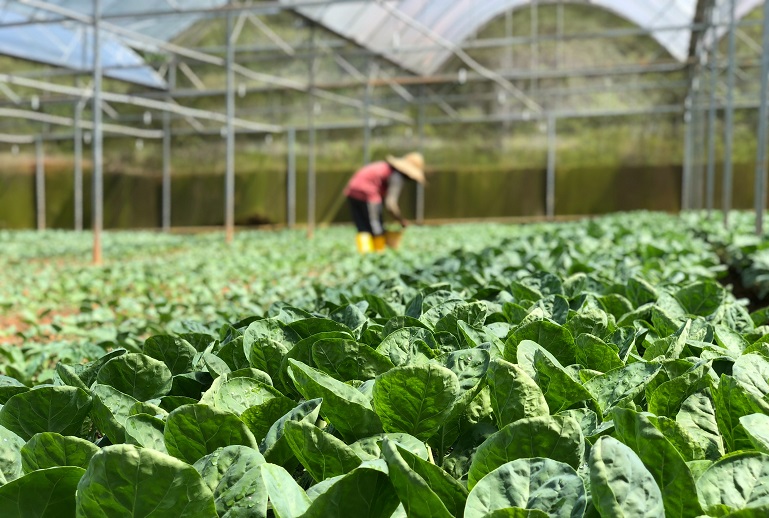
Contract Farming 101: What Farmers Need to Know
Contract farming is when a farmer and a company (like a food processing or exporting business) make an agreement before growing a crop or raising animals. Both sides decide things like the price, quality, quantity, and how the product will be delivered. It helps farmers reduce risk and gives companies a steady supply of products.
What Is Contract Farming?
Contract farming is a partnership between a farmer and a buyer.
The buyer could be a food company, supermarket, exporter, or factory.
They agree on:
✔️ What crop or livestock to produce
✔️ How much to grow
✔️ Quality standards needed
✔️ Price and payment terms
✔️ Support like seeds, training, or fertilizers
Why Farmers Choose Contract Farming
Benefits for Farmers
Benefit
Explanation
Guaranteed Market
You know who will buy your products before planting
Fixed Prices
Price is agreed earlier, so you avoid big price drops
Technical Support
Companies may provide training, seeds, or medicine
Lower Risk
Less worry about finding buyers or using poor-quality inputs
Benefits for Companies
Benefit
Explanation
Reliable Supply
They get the product they need on time
Quality Control
They can set standards for quality
Long-Term Relationships
Builds partnerships with farmers
How Contract Farming Works
- Agreement
The farmer and company sign a contract. - Input & Guidance
The company may provide seeds, tools, or training. - Production
The farmer grows crops or raises animals as per guidelines. - Delivery
The farmer delivers the produce to the company. - Payment
The company pays based on agreed terms.
Types of Contract Farming
Type
Description
Market Contract
Company only buys the produce, no input support
Resource Contract
Company gives inputs like seeds, training, and buys the produce
Production Contract
Company fully controls production and pays the farmer for labor and land use